四分之一潛水QUARTER DIVING
☰ Menu
繁中EN
Home / Beginner's Guide

FIRST DIVE GUIDE

Your first scuba dive, made simple.

Want to breathe underwater for the first time, or earn your first diving certification? This guide will help you choose a comfortable place to start.

Three steps to your first dive

You do not need to purchase equipment or chase depth records. Understand the options, check your safety needs and learn with an instructor.

01

Find your starting point

Choose DSD if you want to try breathing underwater. Choose PADI OW if you want structured training and a recognized entry-level certification.

02

Check health and schedules

Complete the required scuba medical questionnaire and discuss swimming confidence, equalization or other health concerns before booking.

03

Build confidence before exploring

Learn basic safety procedures, breathing and hand signals. Follow your instructor's guidance at a comfortable pace.

Discover Scuba Diving vs. PADI Open Water

DSD is a guided introduction; Open Water is a complete entry-level certification course. Neither requires a previous scuba certification.

ItemDSD ExperiencePADI Open Water
PurposeExperience scuba for the first timeTrain toward an entry-level scuba certification
CertificationNo; DSD is not a certificationPADI Open Water certification after completing all requirements
Our formatOne guided ocean experienceOne knowledge session, one pool session and two ocean sessions (four training dives)
Ocean instructor ratioUp to two participants per instructorUp to three students per instructor during ocean training
EquipmentIncluded; DSD also includes round-trip shuttleRequired course equipment included
Recommended forFirst-timers deciding whether they enjoy scubaPeople who want to continue diving and get certified

Scuba, freediving or mermaid: which course fits you?

Would you like to breathe underwater on scuba, explore on one breath, or move gracefully in a mermaid tail? Find a beginner course that matches your interests.

Swipe the cards or table to compare courses together ↔

PADI OPEN WATERSmall vector scuba diver illustration

PADI Open Water Diver

Use a scuba cylinder and regulator to breathe underwater. Learn equipment handling, buoyancy and essential safety skills through pool and ocean training toward an entry-level scuba certification.

For new divers who want to earn a scuba certification and enjoy fun dives

Explore Open Water ↗
PADI FREEDIVERSmall vector freediver illustration

PADI Freediver

Explore on a single breath, without scuba cylinders. Learn relaxation, breath-hold, equalization, buddy procedures and safety through pool and ocean practice.

For people who love breath-hold diving, swimming and calm water skills

Explore Freediver ↗
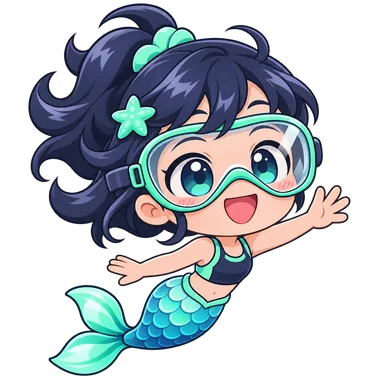
PADI BASIC MERMAIDSmall vector mermaid illustration

PADI Basic Mermaid

Wear a mermaid tail and monofin in confined water. Practice tail movements, body control, breath-hold awareness and buddy safety in a pool setting.

For those who love mermaid movement and creative underwater skills

Explore Basic Mermaid ↗
ComparisonOpen Water ScubaPADI FreediverPADI Basic Mermaid
How you breatheScuba cylinder and regulator for breathing underwaterNo cylinder; one breath per diveNo cylinder; one breath with mermaid-tail movement
Key skillsEquipment, buoyancy, scuba safety and ocean skillsRelaxation, breath-hold, equalization and buddy safetyTail movement, body control and buddy safety
Training environmentKnowledge, pool and ocean trainingKnowledge, pool and ocean trainingPrimarily knowledge and confined-water (pool) training
Minimum ageGenerally 10; junior restrictions may apply15; ask about Basic Freediver from age 126; guardian consent for minors
2027 course pricesWeekday NT$13,500 / Weekend NT$15,500NT$16,000NT$15,000
QualificationPADI Open Water scuba certificationPADI Freediver certificationPADI Basic Mermaid certification; not scuba or freediving

These programs develop different skills and qualifications and do not replace one another. Prices reflect current 2027 course listings; instructors will confirm schedules, equipment and eligibility.

What should I bring for my first dive?

Quarter Diving supplies the required scuba equipment for both programs. Bring your own personal essentials.

Bring along

  • Swimwear
  • Towel, change of clothes and toiletries
  • Water, sun protection and personal items
  • Required booking and identification details

Before diving

  • Sleep well and avoid alcohol
  • Do not dive if you feel ill
  • Tell your instructor about relevant conditions or medications
  • Complete medical screening; seek physician clearance when required

We provide

  • Official PADI learning materials
  • Equipment required for the course
  • Insurance coverage as required by law
  • Instructor safety briefings and practical skills guidance

Frequently asked questions

Answers to some of the questions we hear most often from first-time divers.

Do I need a dive certification?

Not for DSD. It is a guided introductory experience, not a scuba certification. You can take Open Water to become certified.

Can I try DSD even if I cannot swim?

You can participate as long as you are comfortable being in the water. Even if you cannot swim, your instructor will guide you through water familiarization and help you develop basic water confidence and skills.

How old must I be?

PADI DSD and Junior Open Water generally start at age 10. Guardian permission is needed for minors, and age-related certification and depth restrictions may apply.

How deep will my first dive be?

Your instructor chooses an appropriate depth based on training standards, sea conditions and your comfort. Reaching a particular depth is never the goal. Both DSD and the first Open Water ocean training dive have a maximum depth of 12 meters.

Must I buy a mask and fins?

No. We provide the necessary equipment for DSD and OW training. You can decide what to buy after trying the gear.

Can I scuba dive with prescription glasses?

Standard glasses do not fit inside a typical scuba mask. Ask about prescription-mask options; contact lenses can also be worn.

What happens if sea conditions are poor?

If Northeast Coast conditions are unsafe, we will coordinate a reschedule or apply the relevant cancellation policy rather than force the activity.

How is freediving different from scuba?

Scuba divers use a cylinder and regulator to breathe underwater. Freedivers rely on a single breath and learn relaxation, equalization and buddy safety instead.

Does Basic Mermaid require ocean dives?

PADI Basic Mermaid primarily takes place in confined water such as a pool. Ocean mermaid skills are covered in other mermaid course levels.
Ready to explore the ocean?

Try scuba first or begin Open Water training. See the current course and booking pages for pricing, dates and availability.

Ocean activities depend on safe sea conditions and weather. Medical screening, eligibility and training plans follow instructor assessment and applicable PADI standards.